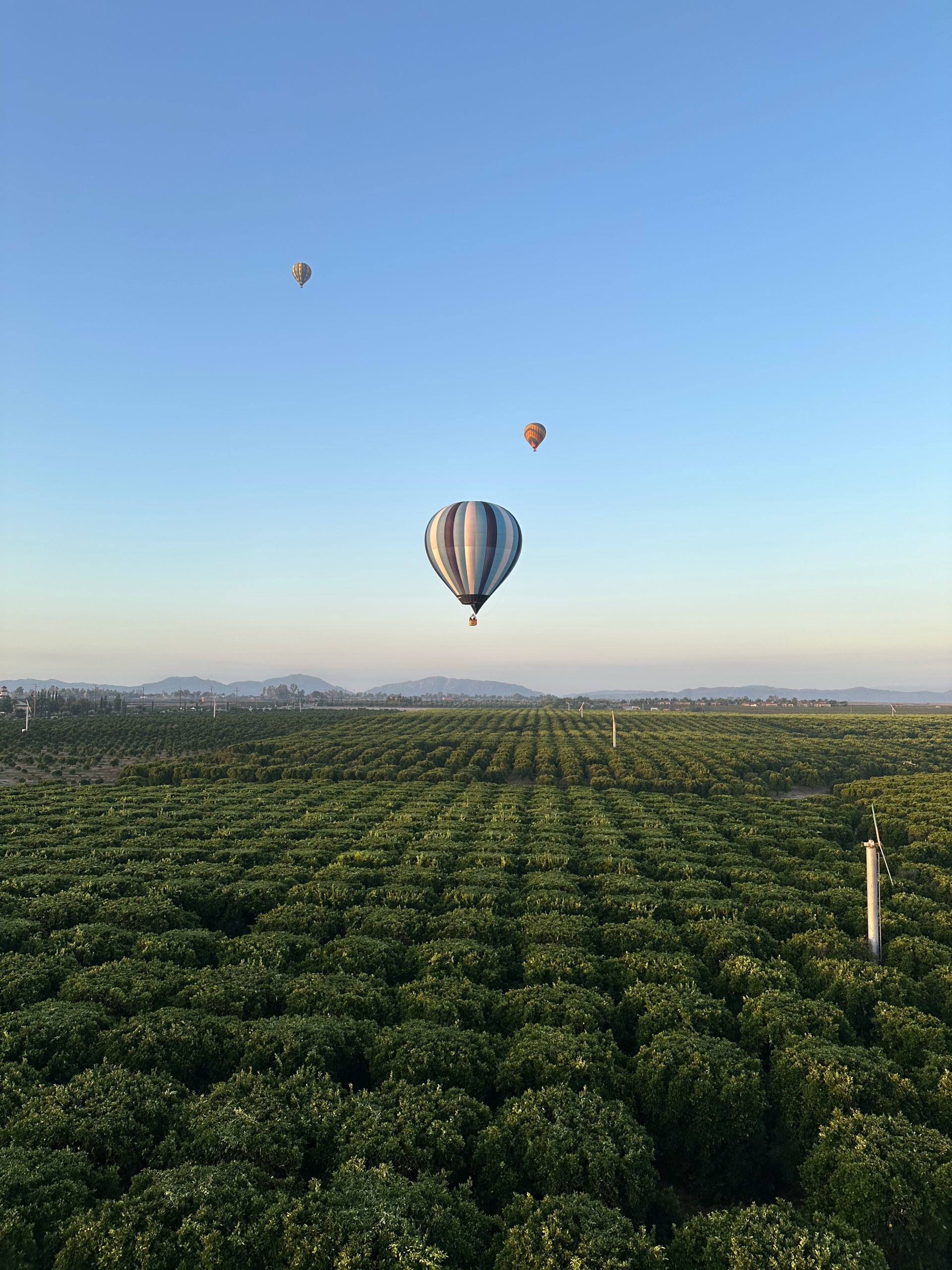

Action and adventure are often marketed as intensity.
They are framed in superlatives—higher, faster, more remote. The language surrounding them suggests conquest or endurance, as though movement through a landscape must be dramatic to be meaningful. But true adventure is rarely theatrical. It is often quiet, deliberate, and rooted in presence.
At its best, adventure travel is not about proving something. It is about engaging fully with environment and terrain. It requires attention—to weather, to pacing, to one’s own limits. Movement becomes a conversation between traveler and place. A climb is not a performance; it is a negotiation with elevation. A dive is not spectacle; it is immersion into a different rhythm altogether.
Preparation is what allows adventure to feel expansive rather than precarious. The right guide, the right equipment, the right season—these choices determine whether an experience feels exhilarating or unnecessarily exposed. When planning is thoughtful, risk is understood rather than romanticized. Confidence comes from clarity, not bravado.
There is also a particular elegance in well-designed adventure. Transitions are smooth. Rest is integrated, not postponed. Recovery is considered part of the itinerary rather than an afterthought. A day of exertion is followed by space—perhaps a long meal, perhaps a quiet evening overlooking open terrain. Effort and ease exist in balance.
Action does not have to mean extremity. It can mean walking through a city at dawn before it wakes, hiking a coastline without rush, or moving across water with steady rhythm. Adventure is not measured by altitude alone. It is measured by attentiveness.
In certain regions, adventure also requires discretion and awareness. Remote landscapes often come with cultural contexts and logistical considerations that demand respect. Moving confidently through such spaces depends on relationships, local knowledge, and an understanding of when to lead and when to follow. The most successful expeditions are those in which preparation is invisible but ever-present.
Adventure travel, when approached with intention, becomes less about adrenaline and more about vitality. It reminds the traveler of physical capability, of scale, of the relationship between body and environment. It restores perspective.
In the end, action and adventure are not departures from refinement. They are extensions of it. When designed with care, they feel purposeful rather than impulsive—challenging without being chaotic, invigorating without being loud.
The most meaningful adventures do not seek applause. They leave behind a sense of clarity, and the quiet satisfaction of having moved through a place fully, attentively, and well.