
Leisure is often misunderstood as inactivity.
It is associated with escape, with idleness, with the absence of structure. Yet true leisure is not the absence of movement; it is the absence of pressure. It is time experienced without urgency, shaped by preference rather than obligation.
In modern life, even travel can become performance. It can mirror the same productivity mindset from which it was meant to provide relief — itineraries packed tightly, landmarks collected, days measured by output rather than presence. Leisure travel operates differently. It does not seek to maximize. It seeks to recalibrate.
A well-designed leisure journey respects tempo. It allows mornings to unfold naturally. It avoids the need to rush between experiences simply because they are available. Instead, it emphasizes proportion — time for rest balanced with gentle exploration, movement paired with stillness. The objective is not to fill space but to inhabit it.
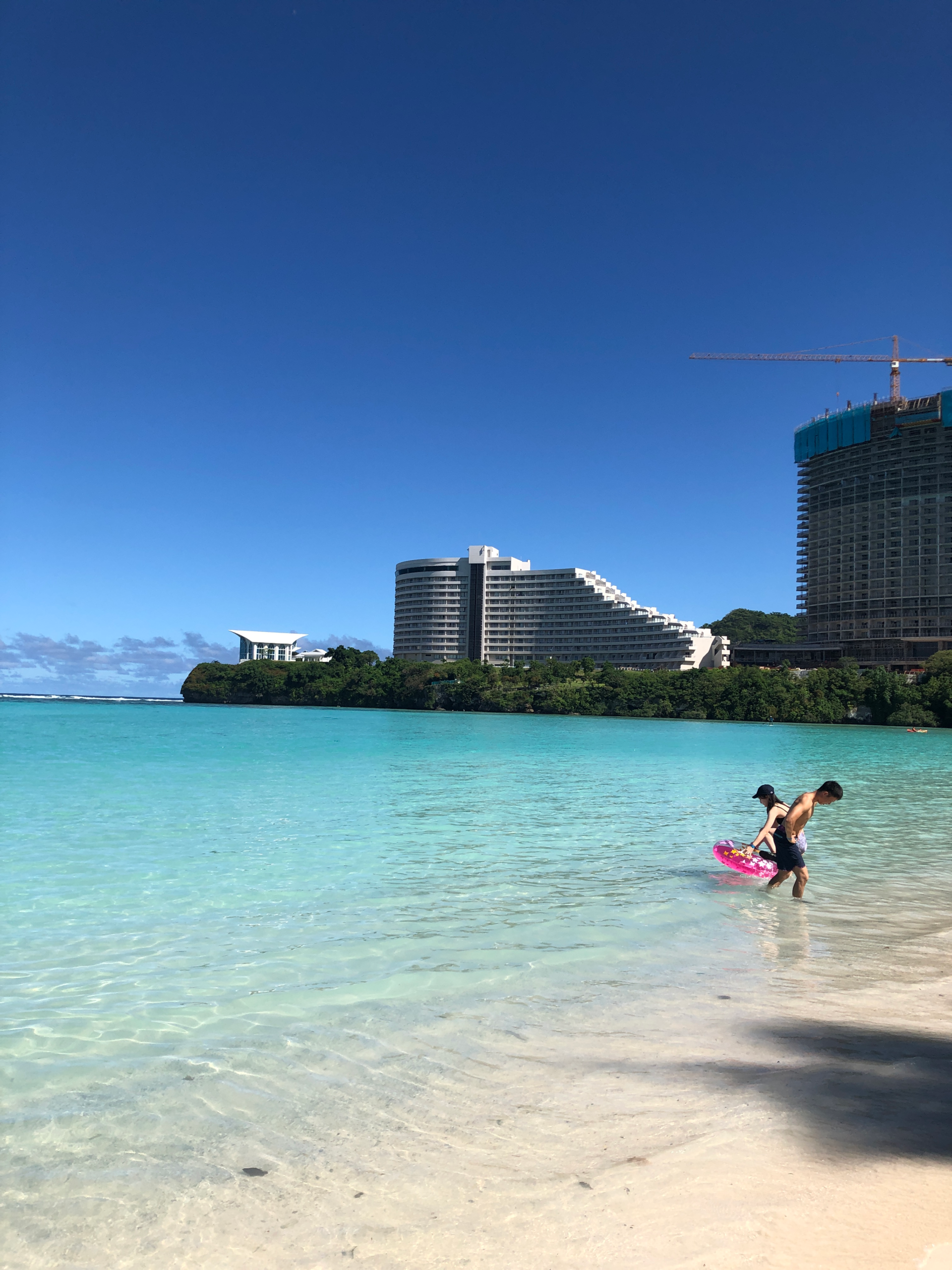
Place plays a subtle but important role. Certain environments invite deceleration: coastlines where the horizon widens perspective, quiet cities where walking replaces scheduling, islands where the pace is shaped by light and tide rather than agenda. The selection of destination becomes less about prestige and more about compatibility. Where will one feel most at ease?
Preparation remains essential, even in leisure. In fact, it becomes more important. Without thoughtful planning, “doing nothing” can quickly become logistical negotiation — searching for reservations, adjusting arrangements, reacting to inconvenience. When those details are anticipated in advance, leisure becomes genuine. The traveler can choose how to spend the day without needing to manage it.
Privacy also contributes to ease. The ability to retreat without interruption, to dine without spectacle, to rest without intrusion — these are quiet luxuries that restore energy. Leisure is not about isolation; it is about having control over engagement. To join when desired and withdraw when needed.
Importantly, leisure does not exclude engagement. A museum visited without hurry, a long meal that extends into evening, a conversation with a local guide that drifts beyond its expected duration — these are active experiences. They simply unfold without urgency. Leisure allows curiosity to guide rather than dictate.
There is a discipline to leisure that is rarely acknowledged. It requires choosing less. It requires declining what does not align. It asks the traveler to trust that stillness can be as meaningful as motion. In doing so, it creates space for clarity — the kind that rarely emerges in environments defined by constant activity.
At its best, leisure travel restores perspective. It slows perception just enough for details to sharpen rather than blur. It reminds the traveler that not every hour must be optimized to be valuable.
Leisure is not the opposite of ambition. It is its counterbalance. When thoughtfully designed, it allows one to return not merely rested, but recalibrated — carrying forward a quieter, steadier rhythm that lingers long after the journey concludes.