
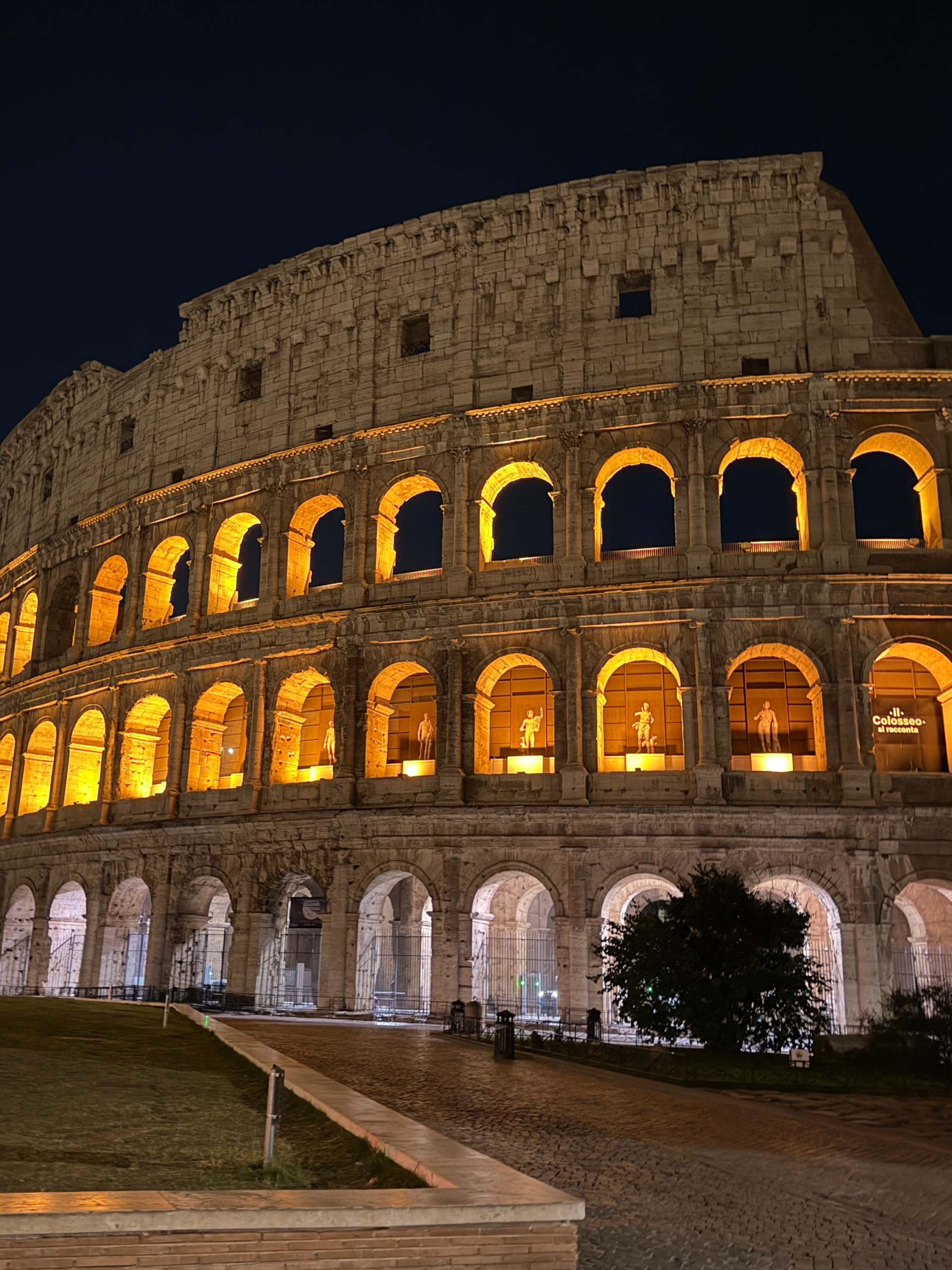
Modern travel often equates value quantity.
More destinations in fewer days. More experiences layered into a single afternoon. More reservations secured, more highlights checked, more photographs captured. The underlying assumption is that accumulation produces richness — that the density of activity determines the depth of experience.
In practice, the opposite is often true.
Quality in travel planning begins with subtraction. It asks what can be removed without diminishing meaning. It resists the instinct to fill every hour simply because the hour exists. Instead, it considers proportion — how much a place can reasonably offer before attention begins to thin.
A thoughtfully designed journey does not attempt to maximize exposure. It seeks alignment. A single neighborhood explored deeply can be more memorable than a city traversed quickly. One well-timed introduction can carry more significance than a series of loosely connected encounters. The right table, held quietly and without urgency, often surpasses multiple reservations secured for the sake of variety.
Volume creates movement. Quality creates continuity.
When too many transitions are compressed into a short period, even extraordinary settings begin to blur. Airports resemble one another. Hotel lobbies merge. Landscapes pass without imprint. The experience becomes logistical rather than immersive. Energy shifts toward coordination rather than presence.
Quality planning values rhythm. It allows a destination to unfold gradually. It protects space within the itinerary for observation, conversation, and rest. It recognizes that anticipation enhances experience, and that restraint heightens appreciation.
There is also a dimension of discernment in choosing quality over volume. Not every acclaimed site warrants inclusion. Not every invitation must be accepted. Not every opportunity aligns with the traveler’s preferences or with the context of the place. Thoughtful curation requires the confidence to decline what does not serve the larger design.
For travelers navigating environments where nuance matters — socially, culturally, or personally — quality carries additional significance. Fewer, well-chosen engagements reduce exposure to unnecessary friction. Carefully selected accommodations and partners create comfort that feels natural rather than negotiated. The experience becomes cohesive rather than scattered.
Quality over volume is not minimalism for its own sake. It is precision. It is the understanding that meaning concentrates when distractions recede. It is the discipline of selecting what truly resonates and allowing it to breathe.
The most enduring journeys are rarely those defined by how much was done. They are remembered for how well it was done. For the clarity of a single morning view. For the ease of a perfectly paced day. For the sense that nothing essential was missed, even though not everything was pursued.
In travel, as in many pursuits, refinement is rarely achieved by adding more. It is achieved by choosing well.
are you ready for your