
The Quiet Corner – My View of the World
Travel, Handled Properly
Every journey begins long before our bags are packed.
Sometimes it begins with a photograph. Sometimes it’s a conversation over dinner, a documentary watched late one evening, or a promise quietly made to yourself that one day you’ll finally visit Japan, sail through Alaska, wander the villages of Tuscany, or simply spend a week somewhere that moves at a different pace than your everyday life. Whatever its origin, travel almost always begins with imagination, and imagination has never had more information available to it than it does today.
In minutes, we can compare airfare across dozens of airlines, reserve hotels halfway around the world, watch hundreds of TikToks, Reels, and YouTube videos from people who have already been there, read thousands of reviews, and even ask artificial intelligence to build an itinerary before we’ve packed a single shirt. By every reasonable measure, planning travel should be easier than ever before.
Ironically, I believe it has become more difficult.

The challenge isn’t finding information. There is more of it than any traveler in history has ever had. The challenge is knowing which information deserves your trust.
When I look at a hotel online, I know I’m seeing it exactly as the hotel hopes I’ll remember it. Every photograph has been carefully selected. The lighting is perfect. The bed has never looked more inviting. If the property overlooks the ocean, those are the rooms you’ll see. If the lobby is architecturally stunning, it has been photographed before the first guest walks through the front doors. None of this is dishonest. If I owned a hotel, I’d do the exact same thing.
What interests me is everything the photographs don’t show.
They don’t show whether your room is beside the service elevator or across from the ice machine. They don’t tell you that the rooftop bar becomes surprisingly lively after ten o’clock or that garbage trucks begin their route just before sunrise. They don’t tell you whether the neighborhood still feels welcoming after dinner or whether you’ll wish someone had mentioned the construction beginning next door.
Over the years, I’ve also learned to notice the quieter details. I look at the thickness of a mattress and wonder how it will feel after the fourth night instead of the first. I notice the distinct corners draped in linen—is it a thin, springy mattress or a plush mattress pad? I notice whether the furnishings were thoughtfully chosen or simply purchased to fill a room. I pay attention to the lighting, the craftsmanship, the maintenance, and the subtle signs that reveal whether a property was designed to create an experience or simply photograph well. Those observations don’t always give me answers. They simply help me ask better questions.
The same thought crosses my mind every time I watch a travel video online.
I genuinely enjoy YouTube, Instagram, and TikTok. They have introduced me to remarkable places I might never have discovered otherwise. But I also understand what it takes to create thirty beautiful seconds of video. Sometimes those thirty seconds represent an entire afternoon of filming. Sometimes they require returning to the same location over several mornings until the weather cooperates, the light softens, or the crowds disappear for just long enough to create the illusion of solitude.
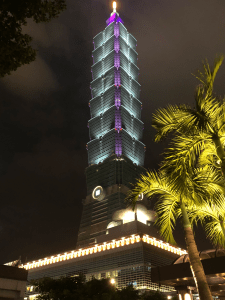
What we’re seeing is real. But it simply isn’t always typical. Even if every recommendation is sincere, another question remains. Does the person making that recommendation actually travel the way I do?
Some travelers come alive in crowded rooftop bars that stay open well past midnight. Others are happiest lingering over dinner, wandering through neighborhood bookstores, or spending an afternoon in a museum without feeling the need to check their watch. Some travel to see as much as possible. Others travel to experience fewer things more deeply.
Personally, I enjoy visiting local grocery stores. I find myself wondering what the people who live there buy. What’s on sale today? What fruits and vegetables are available? What sits on the shelves that I’d never see in an ordinary grocery store back home? Those little observations often teach me more about a destination than any influencer ever could.
Nobody’s choice in travel is wrong. We simply experience the world differently. That’s something no algorithm has learned to recognize.
The same is true of online reviews. Five stars tell me someone enjoyed themselves. They don’t tell me whether they value the same things you do. Did they love the restaurant because the portions were generous or because the chef demonstrated extraordinary restraint? Did they appreciate attentive service or would they have preferred to be left alone? Every review is honest from the perspective of the person who wrote it. It simply can’t tell you whether it’s the right experience for you.
One of the things I find myself doing whenever I’m searching for an Asian restaurant is looking at the menu before I ever read the reviews. Does it serve the same familiar dishes found in restaurants across the country, or are there items I’ve never seen before? Then I look at the photos—not just of the food, but of the restaurant itself. If, tucked away in the background, I notice a table that looks like the owners have claimed it as their own, I know they probably spend a great deal of time there. More often than not, that’s a restaurant whose first priority is culinary authenticity rather than popularity. Those are usually the places I’m hoping to find.

That’s why my conversations rarely begin with destinations. They begin with people.
Before I recommend a hotel, a cruise, or build an itinerary, I want to understand how you experience the world. I want to know what energizes you and what quietly drains you. I want to know whether you’ll happily spend three hours over dinner, wake before sunrise to photograph a city coming to life, or lose yourself in a museum while everyone else rushes to the next attraction. Those conversations matter because they tell me something no website, review, or algorithm ever can.
They tell me how you travel.
If your goal is simply to recreate the same posts you’ve already seen on TikTok, Instagram, YouTube, or X, there are countless ways to do that, and there are many talented travel advisors who can help you find the lowest price. There is absolutely nothing wrong with that. That’s simply not me. It’s simply not the way I choose to travel, and it isn’t the way I choose to help those who trust me experience the world.
For as long as I can remember, I’ve enjoyed sitting back and simply watching. I’ve always been fascinated by people—not in a judgmental way, just genuinely curious about what makes them comfortable, what captures their attention, and what quietly brings them joy. It wasn’t until I traveled through Japan that I realized observation, by itself, isn’t enough. What matters more is what we choose to do with what we’ve noticed.
Several years ago, while traveling through Japan, I came to appreciate a philosophy that quietly changed the way I think about both travel and life. The word is omotenashi, often translated as “unspoken hospitality.” While no English phrase captures it perfectly, I have always found that interpretation comes closest.
Omotenashi is the quiet anticipation of another person’s needs before they become requests. It is hospitality without performance. Care without expectation of recognition. It is removing obstacles before someone realizes they were there, allowing the experience itself to remain effortless. Once I understood that idea, I realized it extended far beyond hotels and restaurants. It became a philosophy for how I wanted to care for people.
The more I reflect on it, the more I realize it became the standard I wanted to hold myself to—not only as a travel advisor, but personally. Omotenashi isn’t something I practice because it’s good for business. It’s the way I believe people should care for one another. Whether I’m recommending a hotel, welcoming someone to Hawaiʻi, or helping someone navigate an unfamiliar country, I want them to feel that someone quietly anticipated their needs before they ever had to ask.

Those who travel with me eventually laugh and tell me that I tend to “Jay things up.” They may come to me with a hotel they’ve already found, a cruise they’re considering, or an itinerary they’ve started building themselves. Somewhere along the way, I’ll suggest a quieter neighborhood, a different room category, an extra night in one city instead of rushing to the next, or a restaurant that never appeared on anyone’s Top 10 list. It isn’t because I think I know better. It’s because I’m already imagining what the trip will feel like after the excitement of planning has worn off. I’m thinking about the little moments that quietly define a journey long after the confirmation emails have been deleted.
If I can remove a frustration before someone ever encounters it, or create a moment they never expected, then I’ve done my job well.
After all, if those who trust me with their travel need a vacation after they come home from their vacation, then I haven’t really done my job. It might be good for business if they want to travel again sooner than expected, but it certainly isn’t good for them. I’d much rather they return home rested than relieved it’s over. The finest journeys don’t leave us feeling like we’ve survived an itinerary. They leave us feeling like we’ve lived one.
People often assume that because Elevated Experiences specializes in luxury travel, my recommendations are driven by price. They aren’t. I’ve stayed in remarkable hotels that were surprisingly modest, and I’ve stayed in expensive hotels that left me wondering what, exactly, made them worth the premium. What matters to me has never been the price tag. It’s whether I would honestly recommend that experience to someone who has placed their trust in me.
If your budget allows for one of the world’s great hotels, wonderful. If your budget is more modest, then my responsibility is to find the place where I would stay if I were planning that very trip with that same budget. Good judgment shouldn’t become less important simply because the budget changes.
I don’t believe people are looking for someone to simply book their travel. You can do that yourself. I believe you’re looking for someone who will care about your journey as much as you do—someone who notices the details you may never think to ask about, understands how you like to experience the world, and quietly works behind the scenes so everything feels easier than expected. That’s what Elevated Experiences has always meant to me. It isn’t luxury for the sake of luxury, more information, or longer itineraries. It isn’t about checking destinations off a list. It’s about thoughtful travel, shaped by careful observation, quiet anticipation, and the belief that every recommendation carries a responsibility.
To me, that has always been the meaning of Travel, handled properly.